
Author: 1008303pwpadmin

  • Your Water Bill Crept Up? You Might Have a Hidden Leak

    Your water bill shows up, and it’s higher than last month. Higher than the month before that, too. But nobody in the house is taking longer showers, you haven’t been watering more, and nothing looks wet anywhere.

    That slow creep is one of the most common signs of a hidden leak. The good news: a lot of the usual suspects are easy to check yourself, in about fifteen minutes, with no tools. Here’s how to hunt it down.

    Start with the toilet — it’s the number one suspect

    A toilet that runs on and off by itself, or keeps trickling after you flush, can waste water around the clock without making much noise. You might not even hear it from the next room.

    Two simple checks:

    1. Listen. Stand next to each toilet when the house is quiet. If you hear water running, hissing, or refilling when nobody just flushed, something in that tank is letting water through.
    2. Use the dye test. Put a few drops of food coloring in the tank — not the bowl — and don’t flush. Wait about 15 minutes, then look in the bowl. If color shows up in the bowl, water is leaking from the tank into the bowl. That’s usually a worn flapper, the rubber seal at the bottom of the tank. It’s a common wear part, and catching it early is a cheap save compared to months of wasted water.

    Check every toilet in the house, including the guest bathroom nobody uses. A guest toilet can run for weeks before anyone notices.

    Check the faucets and under every sink

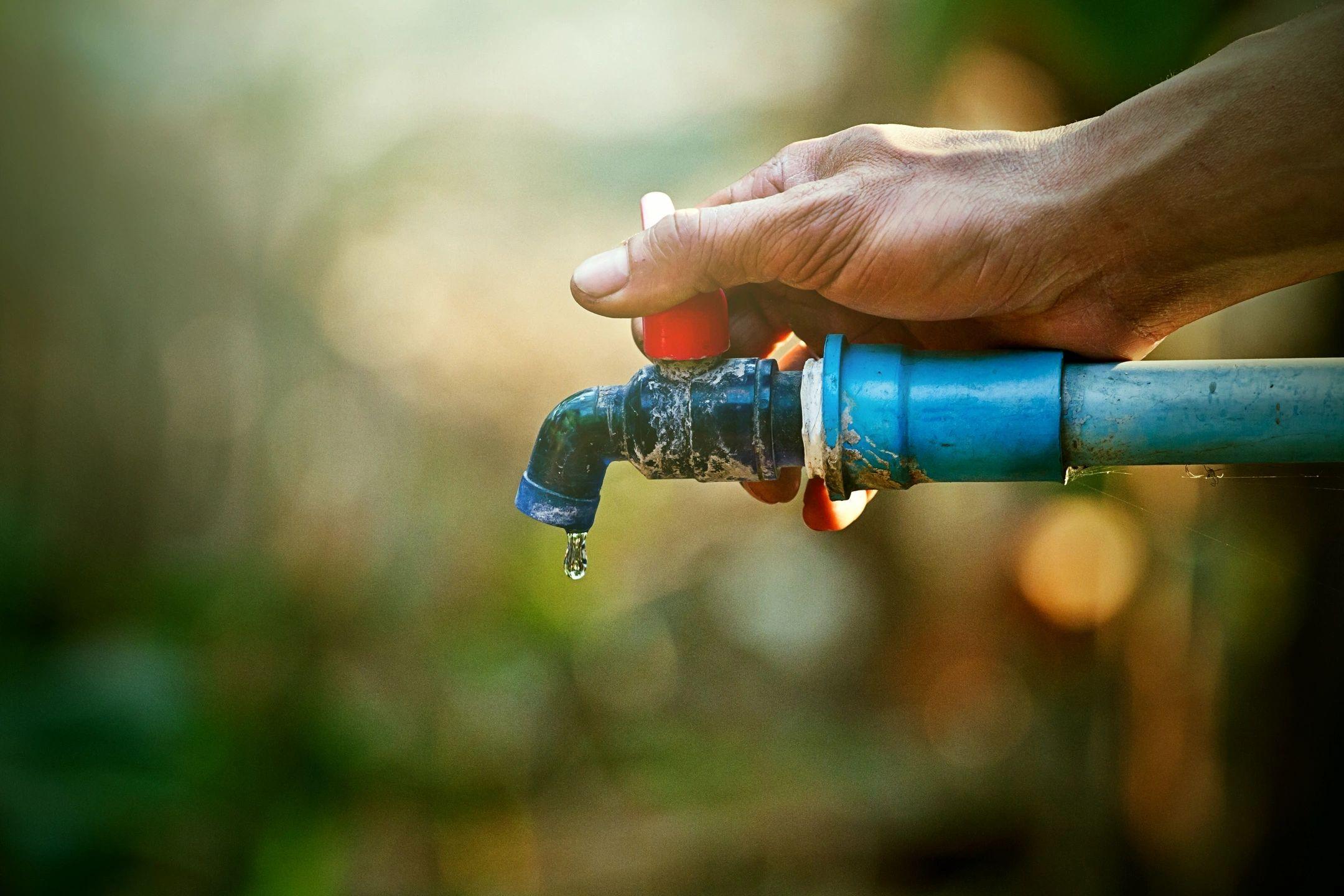
    A faucet that drips one drop at a time looks harmless. Left alone day and night, it adds up — and a drip you can see is also a hint to look at the ones you can’t.

    • Walk the house and look at every faucet, including the tub and shower. Any steady drip after the handle is fully off is water you’re paying for twice: once coming in, once going down the drain.
    • Open every sink cabinet, kitchen and bathrooms, and look and feel underneath. Check the supply lines, the shutoff valves, and the drain connections for moisture, drips, or a musty smell. A slow under-sink leak can go a long time before it shows up as a warped cabinet floor or a spot on the ceiling below.
    • Don’t forget the laundry room. Feel the washing machine hoses and look behind the machine for dampness.

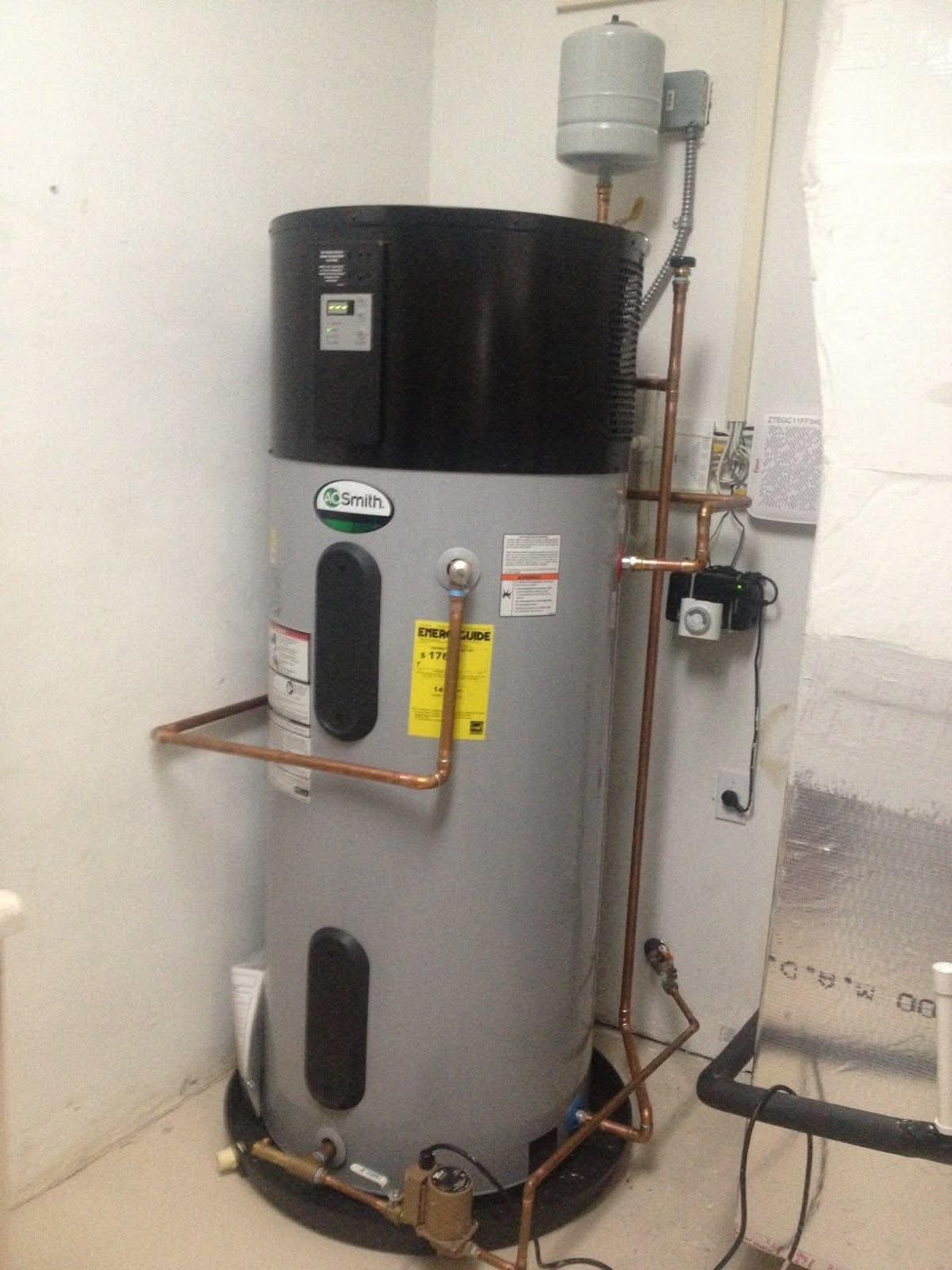
    Look at the water heater

    Stand next to your water heater and look it over:

    • Is there water, rust, or dampness around the base of the tank?
    • Is the pressure relief valve — the small valve with a lever and a discharge pipe near the top — dripping or is its pipe wet at the bottom?
    • Do you hear water running through the heater when nobody is using hot water?

    Any of those is worth a call. A heater that is leaking from the tank itself doesn’t get better on its own, and it’s better to find that out from a puddle than from a flood.

    The water meter test — the check that settles it

    If everything above looks dry and your bill is still climbing, let your water meter tell you the truth:

    1. Make sure nobody in the house uses any water — no flushing, no laundry, no dishwasher, no ice maker filling.
    2. Go out to your water meter and write down the reading. Many meters also have a small leak indicator dial that spins when water is moving.
    3. Wait 15 minutes without using any water, then read the meter again.

    If the reading changed, or that little dial is moving when nothing in the house is running, water is going somewhere. That points to a leak you can’t see — possibly in a line under the house or out in the yard between the meter and the house.

    A few outdoor spots people forget

    • Hose bibs: an outdoor faucet that drips all winter, or a hose left connected and pressurized, can leak quietly outside where nobody sees it.
    • A wet spot in the yard that stays soggy when it hasn’t rained, especially in a line between the street and the house, can mean the main line is leaking underground.
    • Your crawl space, if you have one: damp ground, standing water, or a musty smell down there deserves a look. Water under a house causes damage well beyond the water bill.

    When to call it in

    Call a plumber if:

    • The meter test shows water moving when nothing is running
    • You find dampness but can’t find where it’s coming from
    • A toilet keeps running after a new flapper, or more than one fixture is acting up
    • There’s water or rust around the base of the water heater
    • Your bill keeps climbing month after month and none of the checks above explain it

    Finding a leak early is almost always the cheaper job. A hidden leak left alone doesn’t stay hidden — it turns into damaged flooring, cabinets, and walls on top of the wasted water.

    We’ll hunt it down with you

    If your water bill crept up and you can’t find where the water is going, Waymaker Plumbing can come take a look, find the source, and tell you straight what it needs. Upon inspection, we will give you to the penny pricing before work begins. Call (253) 257-8385 to request service.

  • Your Shower Goes Cold When Another Tap Runs? It’s Probably Not Your Water Heater

    You’re halfway through a good hot shower. Somebody flushes a toilet, starts the washing machine, or turns on the kitchen faucet — and your shower goes cold, or slows to a weak trickle. It happens in a lot of homes around Chelan County, and the first thing most people blame is the water heater.

    Most of the time, it isn’t the water heater. Here’s what’s usually going on, and how to tell the difference before you spend money on the wrong fix.

    What’s actually happening

    Every fixture in your house — shower, toilet, washing machine, kitchen faucet — is fed by the same water lines. When two fixtures call for water at the same time, they split what’s coming through those lines.

    In a lot of older homes, the whole house was plumbed with 1/2-inch pipe. That size can feed one fixture just fine. Ask it to feed a shower and a toilet fill, or a shower and a washing machine, at the same time, and there just isn’t enough water to go around. Your shower is the one you feel it in first — the pressure drops, and the hot water can’t keep up its share of the mix.

    That’s a piping problem, not a heater problem. The heater is making plenty of hot water. The pipes can’t deliver it to two places at once.

    Why a bigger water heater won’t fix it

    This is the part that matters: a bigger water heater does not fix undersized pipes.

    We talk to folks who’ve been quoted a larger tank, or who are thinking about upgrading their heater, hoping the shower problem goes away. It won’t. You’d have a bigger supply of hot water sitting in the tank, still trying to squeeze through the same small pipes. Same cold shower, bigger bill.

    The fix for undersized piping is repiping — replacing those runs with pipe sized to feed the house properly. That’s a real job, and we’ll tell you straight if that’s what your house needs. But it’s the fix that actually works.

    A few simple checks you can do yourself

    Before you call anybody, try these:

    1. Run the shower alone. If the pressure and temperature are good with nothing else running, your heater and that shower are probably fine — the problem shows up only when the house shares water.
    2. Run a second tap on purpose. Have someone flush a toilet or open the kitchen faucet while you’re watching the shower. If the shower drops right away, every time, that’s the sharing problem described above.
    3. Check whether it’s one bathroom or the whole house. If only one shower acts up no matter what, the issue may be at that fixture — a worn shower valve or a clogged showerhead. If it happens anywhere two fixtures run together, think pipes.
    4. Notice the pattern. Weak flow everywhere, all the time, even with one tap open, is a different problem — that can point to a pressure issue or a failing valve, and it’s worth a look on its own.

    None of these checks require opening anything up. You’re just watching how the house behaves.

    When it IS the water heater

    To be fair, sometimes the heater really is the problem. Call it a heater issue if:

    • The hot water runs out fast even when you’re the only one using it
    • The water never gets properly hot in the first place
    • You see rust-colored water, or rust and leaking around the base of the tank
    • The tank is rumbling, popping, or making noises it didn’t used to make

    Those are heater symptoms. A shower that only misbehaves when another tap opens usually isn’t.

    Honest diagnosis before anybody sells you anything

    The reason we’re writing this one up: the wrong diagnosis costs you real money. A new water heater is a serious purchase, and it should solve an actual water heater problem. If your pipes are the issue, we’ll tell you that — even though we install water heaters for a living.

    If your shower goes cold or weak when another tap runs, Waymaker Plumbing can come take a look and tell you whether you’re dealing with your heater, your pipes, or something at the fixture. Upon inspection, we will give you to the penny pricing before work begins. Call (253) 257-8385 to request service.
  • Get Your Plumbing Guest-Ready Before Thanksgiving

    Thanksgiving week puts your plumbing to work in a way it doesn’t see the rest of the year. Extra people in the house means extra showers, extra toilet flushes, extra laundry, and a kitchen sink that barely gets a break. A quick check this week — while there’s still time to fix something small — beats discovering a problem on Thanksgiving morning with a house full of guests.

    Here are the checks worth doing before everyone arrives.

    Test the guest bathroom now, not Thursday

    If you have a guest bathroom that doesn’t get used much, use it this week. Flush the toilet a few times, run the shower, and run the sink. Fixtures that sit unused can surprise you — a toilet that runs on and on, a faucet that drips, or a shower that drains slowly.

    Listen after you flush. If the toilet keeps hissing or refilling on its own a few minutes later, it’s running when it shouldn’t be. That’s usually a worn flapper or fill valve inside the tank, and it’s wasting water the whole time. It’s a small fix now, and an annoying noise for your guests at 2 a.m. if you leave it.

    While you’re in there, put a plunger where guests can actually find it — next to the toilet, not buried in the garage. Nobody wants to have to ask for one.

    Give your water heater a fighting chance

    More guests means more showers back to back, plus dishwashers and laundry running in between. Most water heaters can keep up if you help them a little:

    • Space the showers out. Even 15–20 minutes between showers gives the tank time to recover.
    • Run big laundry loads earlier in the week. Towels and guest bedding washed on Tuesday don’t compete with Thursday morning showers.
    • Run the dishwasher at night. Start it after the last showers of the day instead of at the same time.

    If your household runs out of hot water even without guests — or the water never gets properly hot, or you see rust or a puddle around the tank — that’s not a hosting problem, that’s a water heater problem. Don’t wait for it to quit on a holiday weekend. Get it looked at now, while there’s still time before the house fills up.

    Keep grease and scraps out of the kitchen sink

    We covered garbage disposals in detail in our last article, so just the one rule that matters most on Thanksgiving: never pour grease or cooking oil down the sink. It looks harmless when it’s hot, but it hardens as it cools and coats the inside of your pipes. Pour it into an empty can or jar, let it set, and throw it in the trash.

    Scrape plates into the trash first, too, and only let small bits of soft food go down the drain. Your sink will thank you during cleanup, when everybody wants to help and everything is headed for the disposal at once.

    Know where your main shutoff valve is — just in case

    You probably won’t need it. But if a supply line lets go or a toilet overflows while the house is full, the fastest way to stop the damage is to shut the water off to the whole house, and that is not the moment to go looking for the valve for the first time.

    Take two minutes this week to find it — it’s usually where the main water line enters the house, in a basement, crawl space, garage, or utility area, or out by the meter. Make sure you can turn it, and make sure another adult in the house knows where it is too. Then hope you never touch it.

    Check under the sinks

    Open the cabinets under the kitchen and bathroom sinks and take a quick look and feel around. Look for dampness, drips, or a musty smell around the supply lines and drain pipes. A slow drip that’s easy to ignore in a quiet week turns into a soaked cabinet and a bigger repair when the sink is getting used all day long. Catching a small leak now is a much better job than mopping one up on Thanksgiving.

    We’re here to help

    If one of these checks turns up a running toilet, a drip, or a water heater that can’t keep up — or you’d rather we take a look before your guests arrive — Waymaker Plumbing will take a look. Upon inspection, we will give you to the penny pricing before work begins. Call (253) 257-8385 to request service.
  • Heading Out of Town for Thanksgiving? Protect Your Plumbing While You’re Away

    Thanksgiving is a week away, and a lot of folks around Chelan County will be loading up the car and heading over the pass or out of town to be with family. Before you lock the door, give your plumbing two minutes of attention. A small leak or a burst pipe doesn’t take a holiday — and the worst time to find out about one is when you walk back in the door Sunday night.

    Here’s the simple routine we recommend before any trip out of town, especially this time of year when a cold snap can show up while you’re gone.

    Shut off the main water — it’s the single best thing you can do

    If no water is coming into the house, a leak can’t turn into a flood while you’re away. That’s the whole trick.

    Your main shutoff valve is usually where the water line enters the house — in a basement, crawl space, garage, or utility area, or out by the meter. Turn it off before you leave. If you haven’t touched it in years, test it this week, not the morning you’re trying to get out the door. If it’s stiff or won’t budge, don’t force it until it breaks — that’s a call-us job, and it’s a quick one.

    One note: if you shut the water off, leave a note on the kitchen counter for anyone staying behind or checking on the house, so nobody stands at a dry faucet wondering what happened.

    Open a faucet to take the pressure off

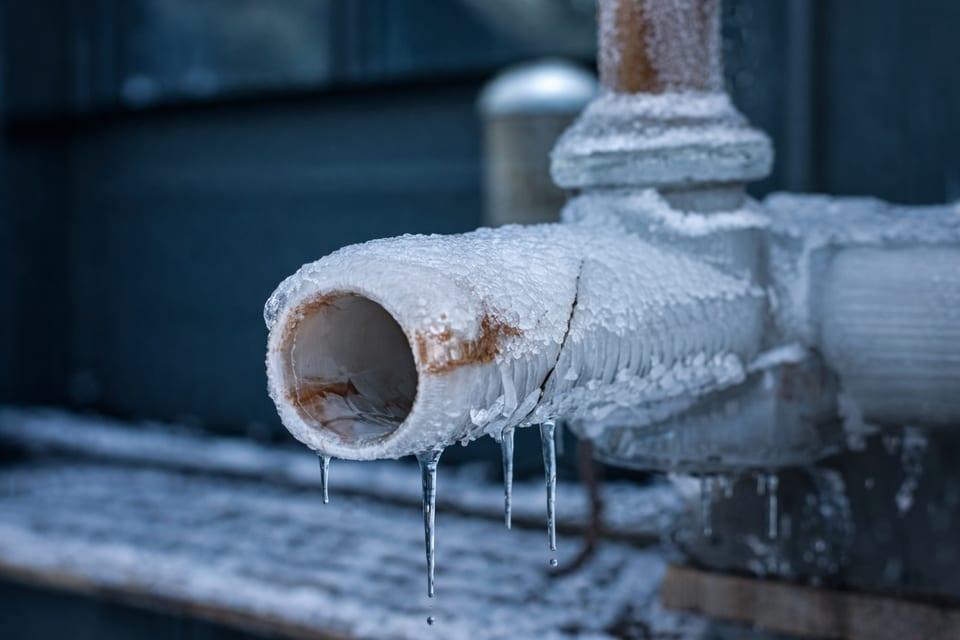
    After you shut the main valve off, open the lowest faucet in the house — usually an outdoor hose faucet or a basement laundry tub — and let it run until it stops. Then close it again. That drains the pressure out of the lines, so if a pipe does freeze and crack while you’re gone, there’s far less water sitting in it to get out.

    If your hoses are still hooked up outside, disconnect them now and drain the hose faucets. We covered that in detail in our hose bib article, but it bears repeating: a hose left connected is one of the most common ways an outdoor faucet freezes and splits.

    Keep the heat on

    Don’t turn the heat off to save money while you’re gone. Set the thermostat to at least 55 degrees and leave it there. A cold house with water sitting in the pipes is exactly how pipes freeze, and a frozen pipe that bursts does its damage whether you’re home to hear it or not.

    If you have rooms that always run cold — a bathroom over the garage, a back bedroom with pipes in an outside wall — leave those cabinet doors open under the sinks so the warm air in the house can reach the pipes.

    Ask someone to take a look

    If you’ll be gone more than a couple of days, ask a neighbor or a family member to swing by once while you’re out. All they need to do is step inside, look around for water where it shouldn’t be, and check that the heat is still running. A five-minute visit can catch a problem on day two instead of day five.

    Leave them our number too, along with the location of your main shutoff valve, so they can shut the water off fast if they do find something.

    When you get home, turn the water back on slowly

    When you walk back in, don’t just crank the main valve wide open. Turn it on slowly, then walk through the house and check under the sinks, around the toilets, and near the water heater for drips. Run each faucet for a minute — the water may sputter at first while the air works its way out of the lines, and that’s normal.

    If you come home to water on the floor, a ceiling stain that wasn’t there when you left, or a faucet that won’t stop running, shut the main valve off again right away and give us a call. Don’t wait until morning to see if it dries out — it won’t, and the damage only grows.

    Two minutes now beats a weekend of cleanup later

    Shut the water off, take the pressure out of the lines, keep the heat on, and have somebody check in. That’s the whole routine, and it takes less time than loading the car.

    If your shutoff valve is stuck, or you’d like us to give your plumbing a once-over before you head out, Waymaker Plumbing will take a look. Upon inspection, we will give you to the penny pricing before work begins. Call (253) 257-8385 to request service.
  • Low Water Pressure? Start With These Simple Checks

    Low Water Pressure? Start With These Simple Checks

    Weak water pressure makes everything take longer — rinsing dishes, filling a pot, getting a decent shower. The good news is that some of the most common causes are simple, and you can check a few of them yourself in about ten minutes before you call anyone.

    First question: one faucet, or the whole house?

    Start here, because it tells you where to look. Turn on a couple of other faucets in different rooms. If only one faucet is weak, the problem is right at that faucet. If every faucet in the house is weak, the problem is further back — at a valve, the pressure regulator, or the main line coming into the house.

    Clean the aerator on a weak faucet

    If it’s just one faucet, the little screen at the tip — the aerator — is the usual culprit. Bits of grit and mineral buildup get caught in that screen and choke the flow down to a trickle.

    Unscrew the aerator by hand (wrap a cloth around it and use gentle pressure if it’s tight), take it to another sink, and rinse out the loose grit. Drop it in a cup of white vinegar for a few hours if it’s crusty, rinse it again, and screw it back on. Most of the time, the water comes back strong.

    Check the showerhead the same way

    A shower that has slowly gotten weaker is often the same story. Unscrew the showerhead, check the screen where it connects to the pipe, rinse out any grit, and soak the head in vinegar if the spray holes look clogged. Screw it back on hand-tight and test it.

    Make sure your shutoff valves are fully open

    Every sink and toilet has small shutoff valves underneath or behind it, and your house has a main shutoff valve too. If a valve got bumped during a repair or while storing things under the sink and never got turned all the way back on, that fixture will run weak. Give the valve handles a check and make sure they’re fully open.

    Try a pressure gauge on an outdoor faucet

    If the whole house is weak, a simple pressure gauge from the hardware store helps narrow it down. Screw it onto an outdoor hose faucet, make sure no water is running anywhere in the house, and turn that faucet all the way on. The gauge shows your house pressure. Write the number down — if you end up calling us, that reading helps us know what we’re walking into.

    Leave the pressure regulator to a plumber

    Many homes have a pressure regulator (sometimes called a PRV) where the main water line enters the house. When it starts to fail, pressure drops all over the house — or climbs too high, which is hard on your pipes and appliances. Regulators can be adjusted, but it’s easy to make things worse if you guess at it. If your gauge reading and the checks above point that way, that’s a call-a-plumber job.

    Watch for signs of a hidden leak

    If pressure dropped suddenly instead of slowly, look around while you check: damp spots on walls or ceilings, the sound of water running when nothing is turned on, or a water meter that keeps moving when every faucet is off. Those point to a leak, and a leak does not get better on its own — find it and fix it before it does real damage.

    We’re here to help

    If you’ve run through these checks and the pressure is still weak — or you’d rather skip the detective work — Waymaker Plumbing will take a look. Upon inspection, we will give you to the penny pricing before work begins. Call (253) 257-8385 to request service.

  • Get Your Garbage Disposal Ready for Thanksgiving

    Thanksgiving is the hardest day of the year for a kitchen sink. A full day of cooking means potato peels, turkey scraps, gravy, and coffee grounds — and most of it ends up headed for the garbage disposal. A little prep now keeps the disposal working through the big day instead of quitting halfway through cleanup.

    Know what never goes down the disposal

    A disposal can handle small food scraps, but some things will jam it or clog the drain every time. Keep these out:

    • Grease and cooking oil. It looks harmless when it’s hot and liquid, but it hardens as it cools and coats the inside of your pipes. Pour it into a can or jar and throw it in the trash.
    • Potato peels and starchy foods. Peels, pasta, and rice swell up and turn into a thick paste that sticks to the drain.
    • Stringy vegetables. Celery, onion skins, and corn husks wrap around the disposal’s blades and jam it.
    • Bones, fruit pits, and coffee grounds. Too hard to grind, and grounds settle into a sludge in the pipes.

    Scrape plates into the trash first, and only let small bits of soft food go down the disposal.

    Run it the right way

    How you run the disposal matters as much as what you put in it. Turn on cold water before you switch it on, keep the water running while it grinds, and let it run for about 20 seconds after the grinding sound stops so everything flushes down the line. Feed food in small batches instead of dumping a whole plate in at once, and keep the water cold — hot water melts grease and lets it coat the pipes further down.

    Give it a quick freshen-up

    If your disposal smells a little stale, toss in a handful of ice cubes and a few lemon or lime wedges, then run it with cold water. The ice knocks loose buildup on the grinding parts, and the citrus leaves it smelling clean. Do this the day before Thanksgiving so it’s fresh and ready for the big meal.

    Try the reset button before you panic

    If the disposal hums but doesn’t spin, or stops working altogether, look under the sink for the small red reset button on the bottom of the unit. Press it once and try again. If it hums and still won’t turn, switch it off, never put your hand inside, and use the hex key that came with the unit (or a 1/4-inch Allen wrench) in the socket on the bottom to work it back and forth gently. That frees most simple jams. If it still won’t run, or if it’s leaking from underneath, it’s time to call a plumber.

    We’re here to help

    If your disposal is acting up before the holidays — or you’d like us to take a look before the house fills up with guests — Waymaker Plumbing will take a look. Upon inspection, we will give you to the penny pricing before work begins. Call (253) 257-8385 to request service.

  • Get Your Water Heater Ready for Winter

    Get Your Water Heater Ready for Winter

    Cold weather makes your water heater work harder. A few homeowner checks now can keep hot water steady through the season.

    1. Check the temperature setting

    Most tanks are set too high. Verify the dial is at 120°F. Lower is safer, uses less energy, and reduces scald risk.

    2. Test the T&P relief valve

    Lift the lever briefly to let a little water out, then let it snap back. It should stop dripping. If it keeps running or doesn’t open, call a plumber.

    3. Look for rust and leaks

    Check around the base and connections for rust, water stains, or drips. Catching a small leak early can save a bigger repair later.

    4. Flush out sediment

    Mineral buildup causes popping and rumbling noises and cuts efficiency. Flush the tank once a year, or more often if you hear sediment. If you’re not comfortable doing this, have us handle it.

    5. Know when to call

    If your unit is 10+ years old, makes loud noises, runs out of hot water fast, or shows rust around the tank, it’s time for a professional look.

    Call Waymaker Plumbing at (253) 257-8385 to request service.

    Upon inspection, we will give you to the penny pricing before work begins.

  • Winterize Your Hose Bibs Before the First Hard Freeze

    Winterize Your Hose Bibs Before the First Hard Freeze

    If you live in Chelan County, you know how fast a mild fall evening can turn into a freezing night. One of the most common — and most preventable — cold-weather plumbing repairs we see is a burst outdoor faucet. It takes about ten minutes to protect yours. Here’s how.

    1. Disconnect every garden hose

    This is the step that matters most. A hose left connected traps water in the faucet and the pipe behind it. When that water freezes, it expands and can split the pipe inside your wall — where you won’t see the damage until spring, or until water starts showing up indoors.

    Unhook every hose from every outdoor faucet, drain the hose, and store it for winter. Do this even if you have a frost-free faucet. A frost-free sillcock only protects you when the hose is off.

    1. Drain the faucet

    Once the hose is off, open the outdoor faucet and let any water left in it drain out. Then close it again. If your faucet has a vacuum breaker or backflow cap on top, leave it in place — just make sure the hose is disconnected so water can drain freely.

    1. Shut off the inside valve, if you have one

    Many homes have a shut-off valve for each outdoor faucet somewhere inside — often in a basement, crawlspace, or utility room near the exterior wall. If you can find it, turn it off for the winter, then open the outdoor faucet one more time to let the line drain. Leave the outdoor faucet open a crack over winter so any remaining water has room to expand.

    If you can’t find an inside shut-off, don’t worry — disconnecting the hose and draining the faucet still covers most of the risk.

    1. Cover the faucet

    A foam faucet cover costs a few dollars at any hardware store and adds one more layer of insulation. Put one on each outdoor faucet and tighten it snug against the wall. It’s cheap insurance on the coldest nights.

    1. Check for drips before winter sets in

    While you’re out there, take a look at each faucet. If one drips when it’s turned off, or the handle is hard to turn, the washer or cartridge may be worn. A dripping faucet going into winter is a faucet that can freeze and crack. Get it fixed before the cold arrives, not after.

    Already have a problem?

    If an outdoor faucet is already leaking, cracked, or you turn it on in spring and water shows up inside the wall, shut off the water to that line if you can and give us a call. The sooner a split pipe is found, the less damage it does.

    Need help winterizing, or have a faucet that needs attention? Call Waymaker Plumbing at (253) 257-8385 to request service. Upon inspection, we will give you to the penny pricing before work begins.

  • Protecting Your Pipes from Freezing This Winter

    Protecting Your Pipes from Freezing This Winter

    When the temperature drops hard in Chelan County, unprotected pipes are one of the most common causes of water damage in a home. A burst pipe can flood a room in minutes. The good news is that most freeze damage is preventable with a little work before the cold sets in.

    Insulate the pipes you can reach

    Start with the pipes in the coldest parts of your house: crawl spaces, garages, attics, and any pipe running along an exterior wall. Foam pipe sleeves are cheap and easy to slip on, and they make a real difference. Pay special attention to pipes near vents, windows, and foundation gaps where cold air gets in. If you find a draft blowing on a pipe, seal the gap as well as insulating the pipe itself.

    Know where your main shutoff valve is — before you need it

    If a pipe ever does burst, the first thing you do is shut off the water. That only helps if you already know where the valve is and that it works. Find your main shutoff valve now, give it a test turn to make sure it isn’t stuck, and show everyone in the house where it is. In a burst-pipe emergency, minutes matter.

    During a hard freeze

    When a real cold snap hits, keep the heat steady day and night — turning it way down to save money is exactly when pipes freeze. Open cabinet doors under sinks on exterior walls so warm air reaches those pipes, and let a faucet fed by an exposed pipe drip slowly to keep water moving. If you leave town during cold weather, don’t shut the heat off entirely.

    If a pipe freezes

    If a faucet stops running in a cold snap, you may have a frozen pipe. Keep the faucet open, and warm the pipe gently with towels soaked in hot water or a hair dryer, working from the faucet back toward the frozen section. Never use an open flame. If the pipe has already burst, shut off your main water valve right away and call a plumber.

    We’re here to help

    If you’d like a hand getting your home ready for winter — or you have a pipe you’re worried about — Waymaker Plumbing will take a look. Upon inspection, we will give you to the penny pricing before work begins. Call (253) 257-8385 to request service.

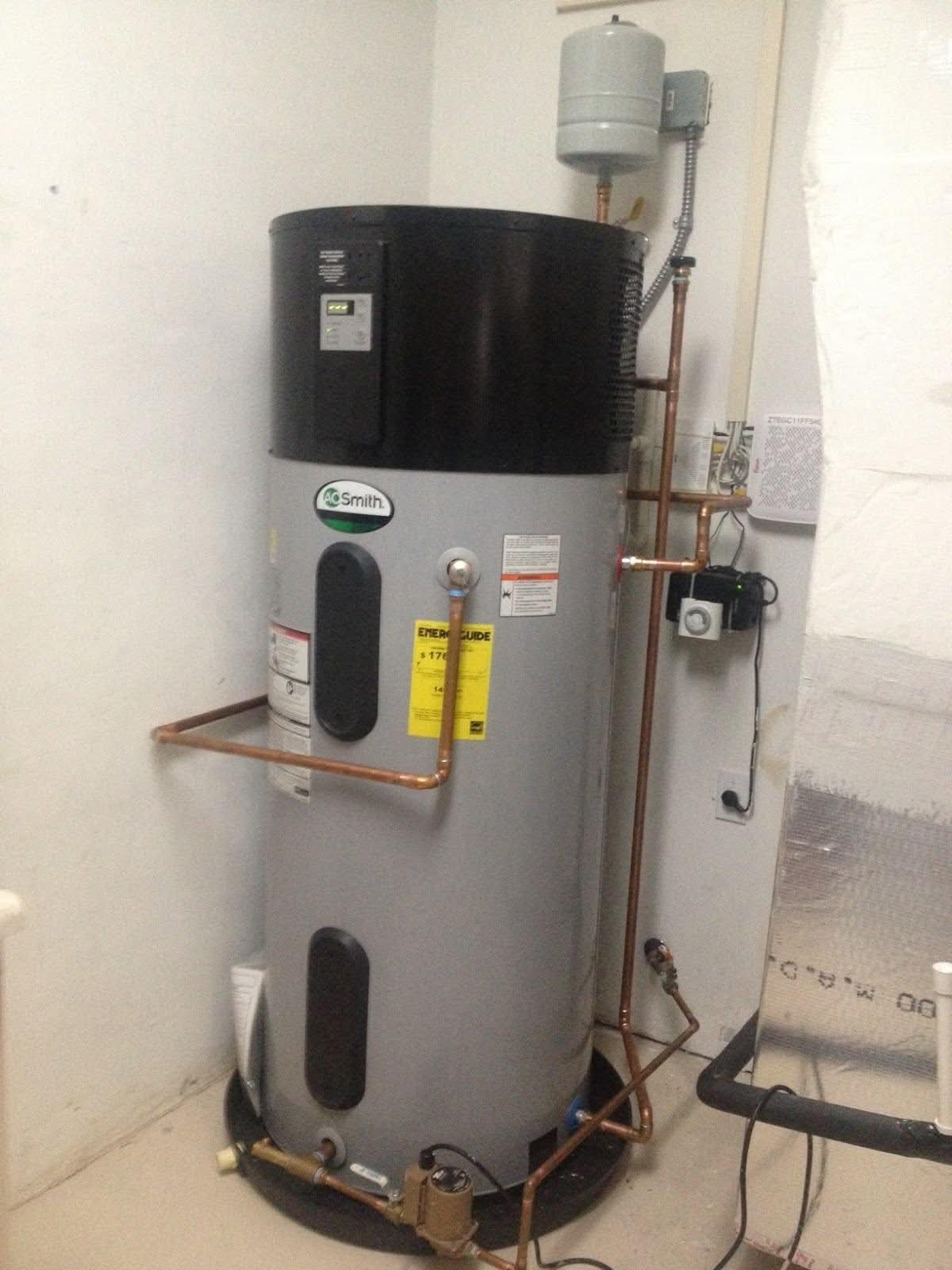
  • Chelan PUD’s $1,300 Heat Pump Water Heater Rebate: What Chelan County Homeowners Should Know

    Chelan PUD’s $1,300 Heat Pump Water Heater Rebate: What Chelan County Homeowners Should Know

    If your water heater is getting old, there’s $1,300 on the table. Chelan PUD offers a $1,300 rebate for first-time conversions to a qualifying heat pump water heater, and Waymaker Plumbing is listed on Chelan County PUD’s Hybrid Heat Pump Water Heater Contractors list.

    Do you qualify?

    The rebate is for Chelan PUD electric customers in Chelan County who are replacing a standard electric water heater — not a gas one — with a qualifying heat pump model. The unit has to be on PUD’s qualifying list, you can claim up to two per home, and you apply within 12 months of installation. The current program year runs April 1, 2026 through March 31, 2027.

    Why a heat pump water heater?

    Instead of generating heat directly like a standard electric tank, a heat pump water heater moves heat from the surrounding air into the water, so it typically uses much less electricity to do the same job. For a lot of Chelan County homes, that’s a real drop in water heating costs — and it’s the reason PUD puts rebate money behind the switch.

    What the install looks like

    Waymaker Plumbing specializes in seamless like-for-like replacements, including heat pump models. Every water heater install includes free upgrades: new supply lines, a thermal expansion tank, earthquake straps, and complete removal and disposal of the old unit. Upon inspection, we will give you to the penny pricing before work begins.

    One thing worth knowing: the rebate doesn’t require you to use a listed contractor — a customer self-install can qualify too. But if you’d rather have it done right and be done with it, we’re on PUD’s list and we handle the whole job.

    Ready to check?

    If your current heater is electric and getting up there in age, it’s worth a look before the program year ends. Call Waymaker Plumbing at (253) 257-8385 and we’ll tell you whether your home qualifies.